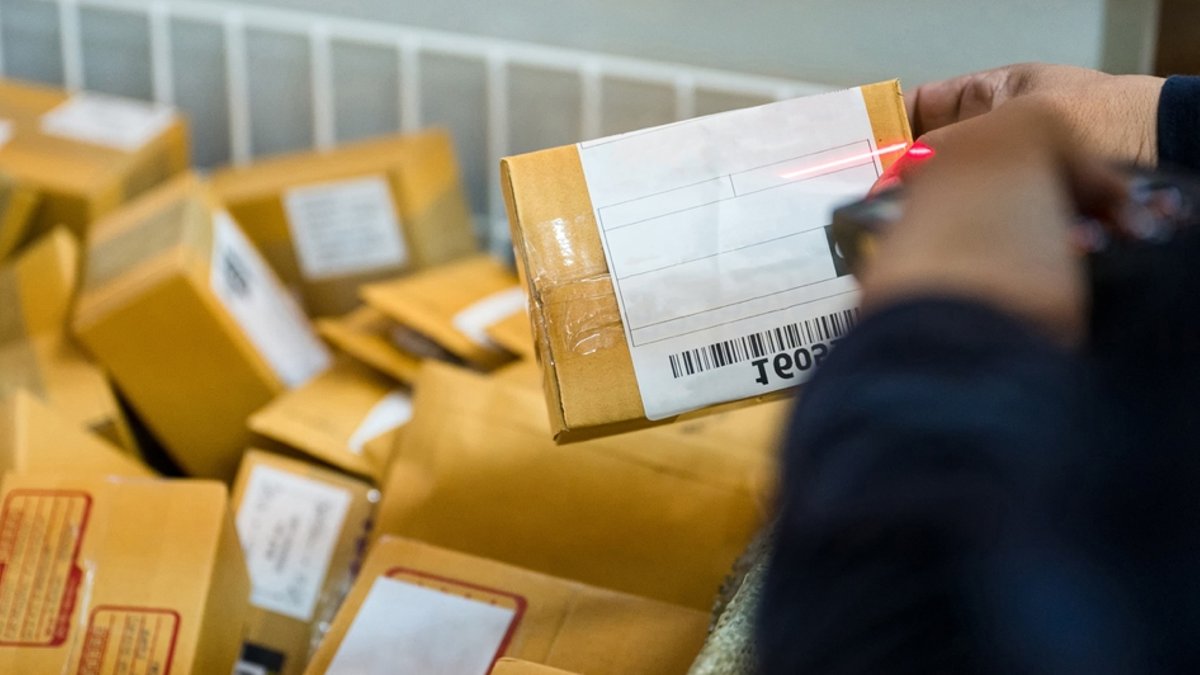
The European Union’s new fee on small imported packages has caused a significant drop in shipments from major Asian e-commerce platforms, according to official data released last week.
Imports from companies like Shein, Temu, and AliExpress fell between 30% and 40% across the EU after the tax took effect on July 1. The French Ministry of Economy reported the decline, citing customs figures. The measure imposes a €3 charge for each product category in a package, regardless of value.
Tax designed to curb Asian dominance
The policy addresses a surge in low-cost shipments, with 93% originating from China in 2025. Nearly 5.9 billion small parcels entered the EU that year, equating to more than 180 packages per second. This volume was four times higher than in 2022, with most qualifying for duty-free entry under the previous €150 threshold.
Safety concerns have also emerged. A July report by the French consumer group Que Choisir Ensemble found nine out of ten sunscreens sold on Temu, AliExpress, and Shein failed to meet EU standards. Most offered little or no sun protection, raising broader risks tied to non-compliant cosmetics and electronics.
Related: Amouage lays groundwork for new raw material
Beyond safety, the EU has accused the platforms of unfair competition, environmental harm, and links to forced labor. The tax is temporary, set to expire in two years when a broader customs overhaul takes effect. Starting in November, an additional processing fee—expected to be around €2 per package—will help fund customs operations.
Platforms adjust pricing, logistics
Data from the French shopping app Joko, which tracks 1.5 million bank transactions, highlights the tax’s immediate impact. Temu’s sales volume fell 50% between June and July, while AliExpress dropped 37% and Shein 15%. Some companies are raising prices to offset the fee: Temu’s average order value increased by 30% in the same period, and AliExpress’s rose by 27%.
AliExpress confirmed it now includes the €3 tax in its listed prices. Shein, which relocated its headquarters to Singapore, appears less affected. Joko attributes this to the company’s plans to open a large warehouse in Poland by December 2025, reducing its reliance on direct imports.
The difference in the UK, where no such tax exists, reinforces the EU’s position. Nielsen IQ reported a 5% increase in sales for Chinese platforms there in July, indicating the decline in the EU is linked to the new policy.
Related: Dry Skin Demands New Sun Care Strategies
AliExpress criticized the tax as regressive, stating it disproportionately affects low-income households already facing inflation. “The design of these measures has fundamental flaws,” the company told reporters. Shein declined to comment, and Temu did not respond to requests for reaction.
The EU’s approach has achieved its short-term goal. The flood of cheap, small parcels from Asia has slowed, though platforms are adapting through price hikes, local warehouses, or other methods. Long-term effects remain unclear.
Whether consumers shift to European retailers or accept higher costs for the same goods will determine the tax’s success. Many still view the platforms as a source of bargains, despite the added expense. Others, concerned about safety or ethical issues, may support the change.

